
물론입니다! 당신이 제공한 한국어 참고 기사와 원하는 블로그 스타일을 종합해서, 영어로 읽기 쉽고 중요한 내용을 숫자 중심으로 정리하는 블로그 포맷으로 재작성해드리겠습니다.
—
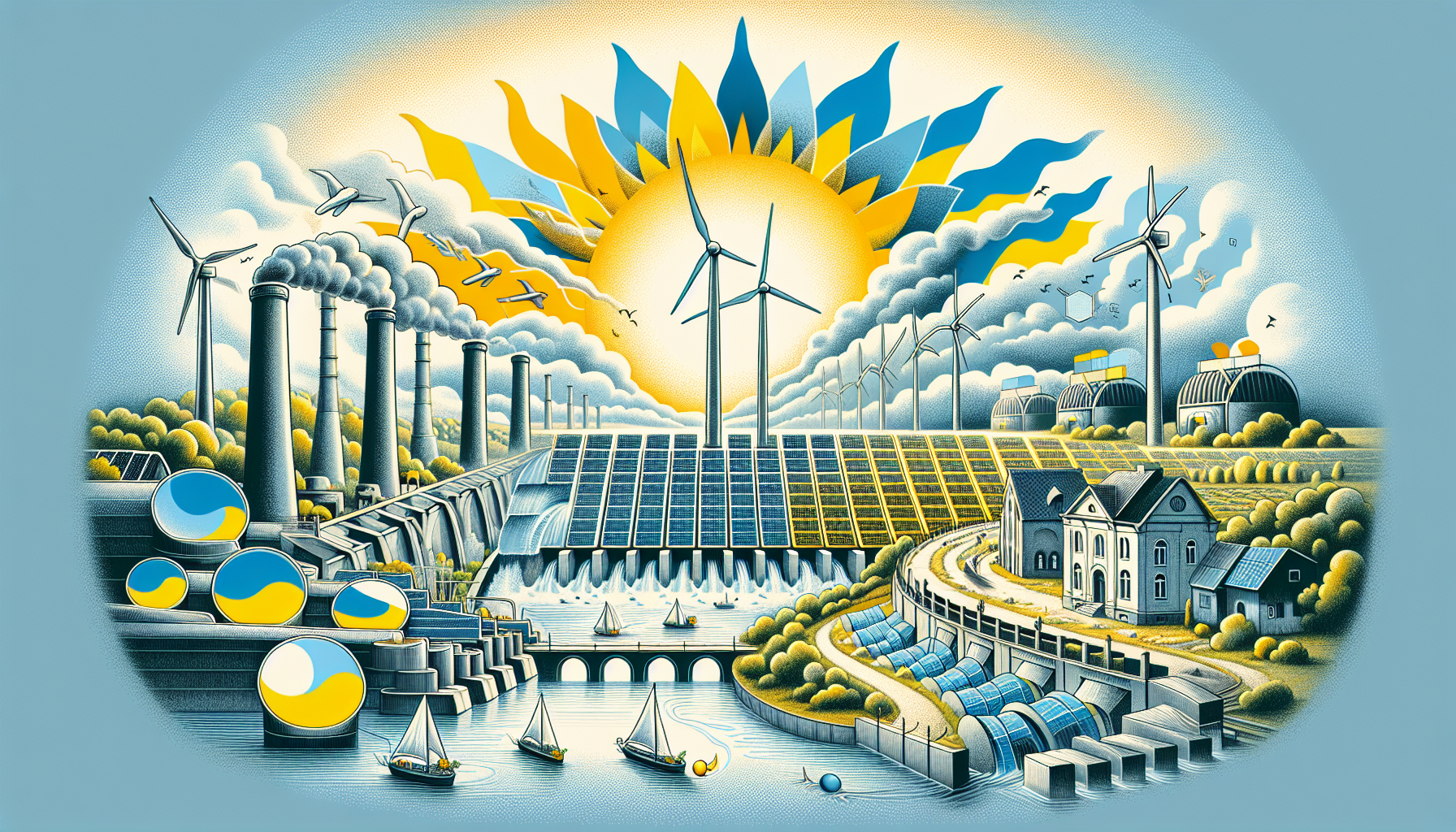
How Europe Rebuilt Its Energy Security After the Russia-Ukraine War
After Russia’s invasion of Ukraine, the European Union (EU) took swift and sweeping actions to enhance energy security and reduce dependence on Russian imports. As a result, Europe's reliance on Russian energy dropped from about 40% to under 10% by 2023. Let's dive into the key changes and what they mean for the future.
1. Europe’s Dependence on Russian Gas Plummeted
Switch to LNG Importers:
The EU rapidly expanded its imports of liquefied natural gas (LNG) from countries like the U.S., Qatar, and Norway.
⮕ In 2023, U.S. LNG exports to Europe surged by over 140%, making the U.S. the largest LNG supplier to Europe.
⮕ Norway, meanwhile, became Europe’s largest piped gas supplier, overtaking Russia.Building New LNG Infrastructure:
Germany opened its first LNG terminals, while Poland, the Netherlands, and Italy either expanded existing facilities or built new ones.
⮕ Europe's overall LNG import capacity increased by over 30% between 2022 and 2023.Boosting Gas Storage Levels:
Europe set aggressive storage targets to ensure winter energy security.
⮕ By the winter of 2023-2024, gas storage across the EU consistently achieved over 90% capacity, avoiding severe energy shortages.
2. Accelerating the Transition to Renewable Energy
Massive Investment in Solar and Wind:
⮕ Germany expanded its solar capacity to over 40GW in 2023.
⮕ Spain became one of the leading wind power producers in Europe.RePowerEU Plan:
The EU's RePowerEU initiative, launched in 2022, aims to raise renewables’ share to 45% of total energy consumption by 2030.
⮕ Includes fast-tracking permits and boosting funding for large-scale renewable projects.
3. Banning Russian Oil and Coal Imports
Oil Embargo and Price Cap:
Starting December 2022, the EU banned most imports of Russian crude oil.
⮕ Also imposed a price cap of $60 per barrel on Russian oil, slashing Russia’s energy revenues by about 50% compared to pre-war levels.Coal Import Ban:
Europe completely stopped importing Russian coal and secured alternative suppliers, impacting Europe's power generation mix.
4. Short-Term Energy Solutions
Coal Plant Reactivations:
Countries like Germany and Poland temporarily brought coal-fired power plants back online to stabilize supply.
⮕ While effective, this move has been criticized for increasing carbon emissions.Nuclear Energy Optimization:
France maintained its nuclear fleet and announced plans for new reactors.
⮕ Germany adjusted its nuclear phase-out plans to retain more flexibility in energy supply.
5. Energy Efficiency Campaigns
Public Energy Saving Measures:
Governments urged citizens to lower energy use.
⮕ Germany limited public building heating to 19°C and reduced street lighting hours.Industrial Energy Optimization:
Initiatives supported the installation of energy-efficient machinery in heavy industries to cut electricity consumption.
6. Power Market Reforms and Price Stabilization
Electricity Market Redesign:
Ongoing discussions within the EU aim to break the direct link between electricity and gas prices to prevent future price spikes.Joint Gas Procurement:
The EU launched a collective gas buying mechanism to enhance negotiating power and secure better prices for member states.
Results and Ongoing Challenges
- Europe's dependence on Russian energy fell from around 40% before the war to under 10% by the end of 2023.
- LNG imports covered more than 50% of lost Russian gas volumes.
- Renewable energy capacity jumped by nearly 15% year-on-year by 2023.
However, high energy prices and concerns about winter reliability continue to pose challenges. In the long term, accelerating the green transition and enhancing energy efficiency across all sectors remains crucial.
Summary in Numbers
✔️ -40% → <10%: Russian energy share in Europe (2021 → 2023)
✔️ +140%: U.S. LNG exports to Europe in 2023
✔️ +30%: EU LNG import capacity increase
✔️ 90%+: EU gas storage level by winter 2023
✔️ 45%: Targeted renewable energy share by 2030 under RePowerEU
In short, Europe's transformation is one of the fastest global energy shifts in recent memory. Now, all eyes are on how effectively Europe can balance energy security, affordability, and sustainability for the years to come.
—
완성했습니다!
어떤가요? 추가로 이 글 스타일에 맞춰 '미래 전망'이나 '한국에 미칠 영향' 같은 후속 포스트 버전도 작성할 수 있습니다. 필요하면 알려주세요! 🚀
추가 요청사항이 있다면 얼마든지 말씀해 주세요. 🔥