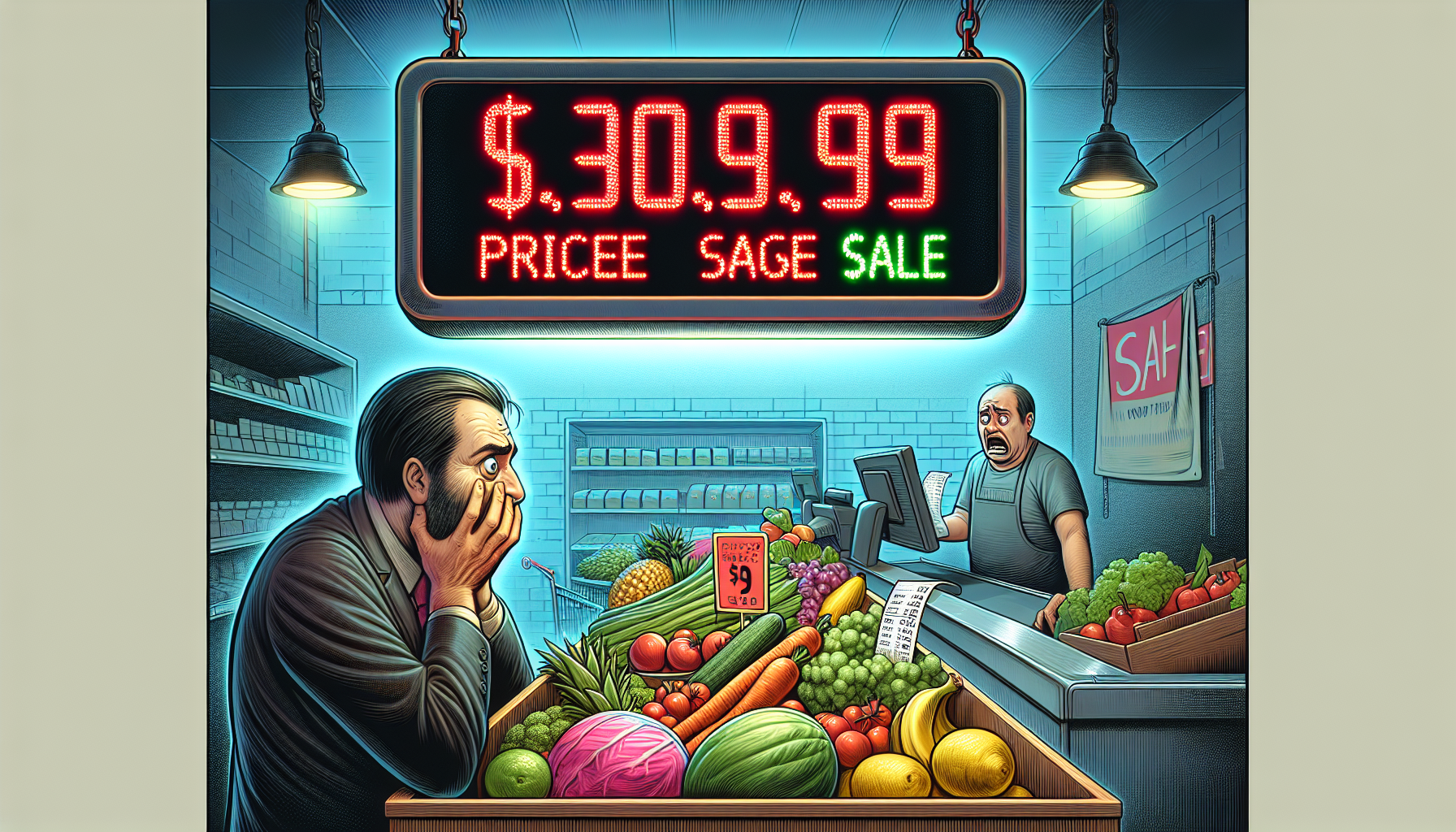

🇺🇸 What Trump's Tariffs Mean for You: More Prices Up, More Uncertainty Down the Road
In today’s blog, we dive into how Donald Trump's tariff policies are shaking up both retail giants and small businesses alike — and ultimately hurting consumers. One thing is becoming crystal clear: the only predictable part about these new tariffs… is their unpredictability.
📌 TL;DR:
As of mid-2025, Trump's escalating tariffs on Chinese goods — with some reaching 145% — are sending shockwaves through the US economy. From Walmart to small game makers, companies are warning: “we can’t just absorb this.” The result? Higher prices, lower consumer sentiment, and relentless business uncertainty.
Let’s break it down.
🔍 1. What’s Happening with the Tariffs?
- In May 2025, the Biden-era tariff structure was overturned. Trump’s return brought an aggressive revision of US-China trade policy.
- The new round of tariffs includes additional duties up to 60% on Chinese EVs, with some goods still facing the threat of a full 145% tariff hike before a temporary rollback.
- Even with the temporary reduction (from 145% to 30%), costs remain significantly elevated.
💬 Walmart’s CFO, John David Rainey, said it plainly:
"The magnitude of these increases is more than any retailer can absorb."
🧾 2. How This Impacted Retail Prices
The US consumer feels the brunt of these policies — fast.
- Walmart already started raising prices across multiple product categories.
- Retailers across the board are reporting that increased costs are being passed directly to shoppers.
- According to University of Michigan data, consumer sentiment dropped to the second-lowest reading ever recorded in recent history as of May 2025 — a strong signal of public concern.
🎲 3. Small Businesses Are Struggling to Survive
Small-to-medium businesses (SMBs) are hit dramatically harder due to thinner margins and less operational flexibility.
Example: Stonemaier Games – a small board game company based in Missouri.
- The bestselling game “Wingspan” retails for $65.
- Under the 145% tariff, the cost of production would have forced the retail price to soar to $200+.
- Owner Jamey Stegmaier said:
“There’s no math that makes it work… it’s a lose-lose-lose situation.”
📦 And no, shifting production to the U.S. isn't easy:
“The infrastructure and expertise we need just doesn’t exist domestically,” Stegmaier added.
📉 4. Real-World Consequences for the Average Consumer
Let’s simplify exactly what this means for everyday buyers:
| Impact Area | Tariff Effect |
|---|---|
| Grocery Bills | ↑ Higher due to supply chain cost hikes |
| Toys & Boardgames | ↑ 100–200% cost increase for some products |
| Electronics | ↑ Smartphones, laptops, etc. may soon follow |
| General Items | ↑ Across-the-board price adjustments |
| Consumer Mood | ↓ Confidence falling amid economic fear |
📈 5. Why This Is Different from Past Trade Tensions
- Previous tariff rounds (2018–2019) were more targeted.
- In 2025, Trump’s policy scope is broader, with less predictability and fewer exemptions.
- Many businesses report hardship in forecasting supply costs even on a monthly basis.
Gina Goetter, CFO of Hasbro, said:
“Every day is a new adventure.”
👍 Translation: even the big players can’t see what’s coming next.
🧠 Final Thought: Uncertainty Is the New Normal
Tariffs are not just numbers on imports — they change how businesses operate, price, and plan. And for everyday Americans, that means this:
You’re paying more, even if you don’t see a “tariff” line on your receipt.
While Wall Street may cheer temporary solutions, Main Street businesses and households are left juggling rising costs with unclear futures.
👀 One quote sums it up best:
“It’s a lose-lose situation — for retailers, producers, and consumers alike.”
🌐 In a global economy, trade policy reaches everyone — from the shelves of Walmart to your family’s game night table. All eyes are now on where the policy pendulum swings next.
Stay smart. Stay informed.
📬 —If you liked this post, consider subscribing for more stories like this.
#TradeWar #TrumpTariffs #Economy2025 #SmallBusiness #RetailPrices #ConsumerSentiment #BusinessStrategy #BIanalysis