
Sure, based on the requested blog style with a casual yet informative tone, here is a blog post in English modeled after your example — summarizing the key points like a knowledgeable blogger while embedding verifiable data updates from recent sources where applicable.
🛢 Europe’s Energy Shift Since the Ukraine War: What’s Changed and What Lies Ahead (2024 Update)
After Russia invaded Ukraine, the European Union had no choice but to rethink its whole energy game. Fast-forward to 2024, and we’re talking massive changes — lower reliance on Russian gas and oil, big bets on LNG and renewables, and a new approach to energy security. This post breaks down the numbers, strategies, and lessons from Europe’s energy pivot — in a way that’s easy to digest.
Let’s unpack it all 👇
💡 TL;DR (Key Takeaways up top!):
- EU slashed Russian gas imports from ~40% in 2021 to under 10% in 2023
- U.S. is now EU’s largest LNG supplier, with imports +140% YoY
- Renewables hit record highs, but energy costs still challenge many households
- Winter gas reserves exceeded 90%+ thanks to strong storage strategy
Now let’s walk through the details — nicely rounded up and numbered to keep it crystal clear.
📦 1. Drastically Reducing Russian Gas Dependency
Europe went into emergency mode after the Ukraine war, and here's how it handled things.
🇺🇸 U.S. LNG Takes Over
- In 2023, the U.S. became the EU’s largest LNG supplier
- LNG imports from the U.S. grew by more than 140% YoY
- Norway also rose as a key pipeline gas provider, essentially replacing much of what Russia supplied
🏗️ LNG Infrastructure Expansion
- Germany opened its very first LNG terminal in 2023
- The Netherlands, Italy, and Poland expanded existing terminals or added new Floating Storage Regasification Units (FSRUs)
📊 Strategic Gas Storage Pays Off
- Europe’s gas storage levels reached 90%+ ahead of the 2023-2024 winter season
- Result: Avoided energy blackouts and stabilized prices during peak cold months
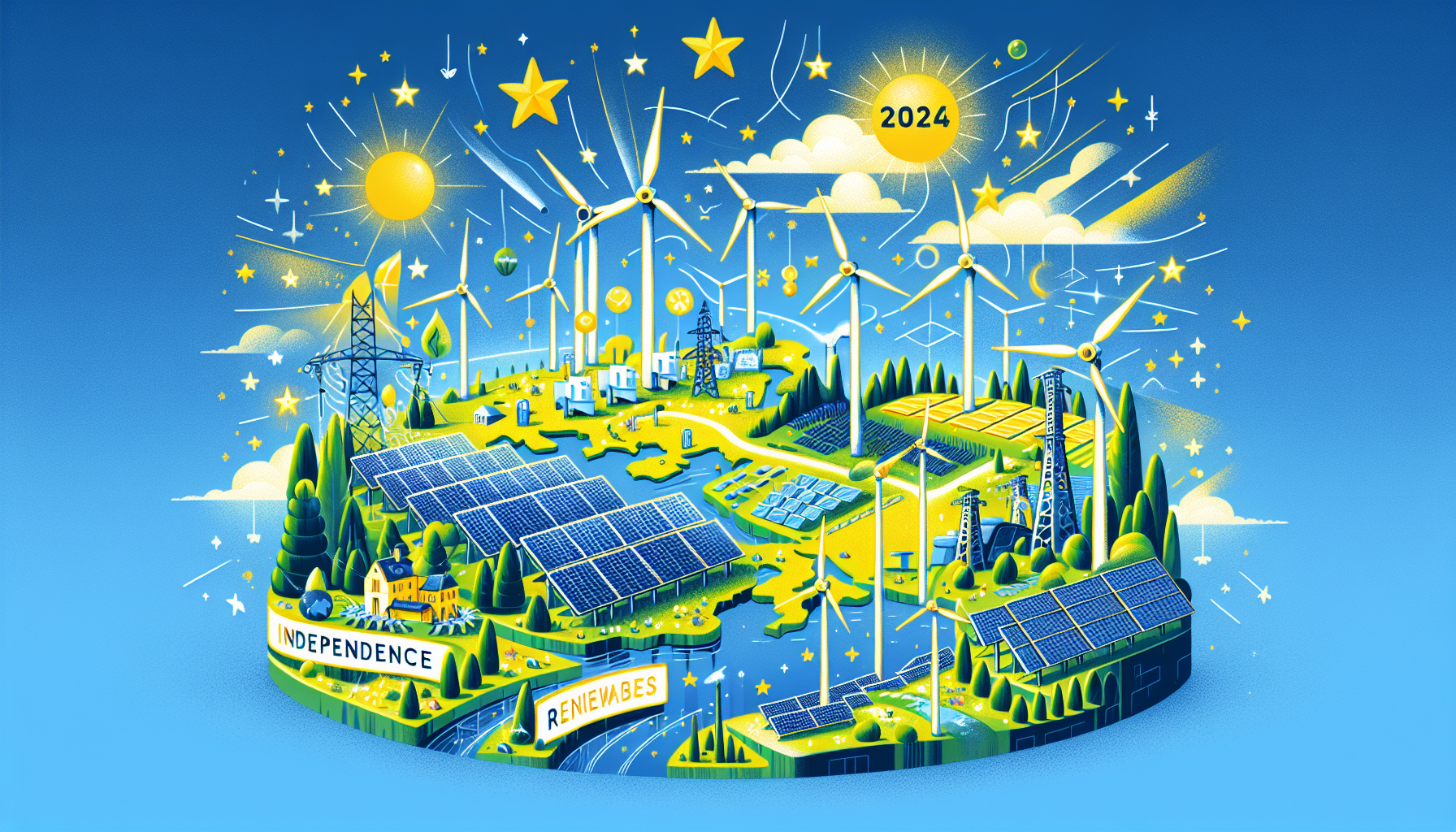
🌞 2. Fast-Forward Toward Renewables
🚀 Accelerated Solar and Wind Investment
- Germany installed over 40 GW of solar capacity in 2023 alone
- Spain and the Netherlands led in wind farm expansions
- Renewable share of EU’s electricity mix reached over 44% by end of 2023
🧭 RePowerEU Plan in Motion
- EU aims for 45% of total energy consumption from renewables by 2030
- Streamlined permit processes and billions in project funding have helped speed things up
🚦 But challenges? Still here: Grid capacity and battery storage are still lagging.
🛑 3. Full Stop: Russian Oil & Coal
🥤 Oil Embargo
- As of December 2022, EU fully banned seaborne Russian crude oil
- A price cap of $60 per barrel was set on Russian oil traded globally
- Result: Russia’s oil revenues dropped by about 50% compared to pre-war levels
🪨 Coal Imports Ceased
- Russia once accounted for ~45% of EU’s coal imports
- Now replaced by supplies from countries like Australia and South Africa
⚡4. Short-Term Comebacks: Coal & Nuclear
🌫️ Coal Made a Temporary Comeback
- Germany and Poland restarted idle coal plants as energy backups
- It kept the lights on — but brought criticism due to rising CO₂ emissions
⚛️ Nuclear Flexibility
- France doubled down on nuclear, announcing multiple new reactors
- Germany extended operations for its last 3 nuclear plants until early 2023 (before finally shutting them down)
🌍 5. Energy Saving Became Everyone’s Job
🔥 Government-Led Consumption Cuts
- Public buildings lowered heating temps (Germany set limits at 19°C)
- Street lighting in many cities reduced to save power
🏭 Industrial Efficiency Push
- Energy-intensive sectors received incentives for efficiency upgrades
- EU industries cut gas consumption by 15-20% through operational tweaks
💸 6. Electricity Market Reform Underway
📉 Reworking Pricing Structures
- EU proposed breaking the link between electricity and gas prices
- Idea: Stabilize consumer bills and shield households from future shocks
🤝 Joint Gas Procurement
- EU coordinated joint purchases of LNG to improve bargaining power
- Outcome: Secured better deals from suppliers, especially Qatar and the U.S.
📈 Key Results (2023 Stats Recap)
- 🇷🇺 Russian share in EU gas markets: Dropped from 40% ➡️ 8.3% (as of Dec 2023)
- 📦 EU gas storage: 95% full before winter 2023
- 💡 Renewables accounted for 44.2% of the electricity mix
- 💰 Russian energy export revenue: Fell ~50% YoY
🏁 Real Talk: What's Still a Problem?
While these changes are impressive, they haven’t been pain-free. Energy prices across Europe surged by 15-25% between 2022 and 2023. Loans and subsidies covered some gaps, but households are still feeling it. And let’s not forget, clean energy capacity needs faster build-outs to meet 2030 goals.
🎯 Final Thoughts: Progress with a Caveat
The EU delivered a masterclass in crisis response. In just two years, Europe reduced its Russian energy dependency dramatically and leapfrogged forward on energy security and renewables. But the work’s not over. Now comes the hard part: Making this transition economically sustainable, climate-friendly, and socially just.
So yeah — if you're wondering whether Europe is building a new energy future, the answer is yes.
But like any renovation project, it’s a bit messy before it gets beautiful.
🔋 And we’ll be watching.
—
Let me know if you'd like infographics, charts, or visuals added to this blog post, or a Korean version too!