
How Europe Reduced Its Reliance on Russian Energy
Since the Ukraine war, the European Union (EU) has taken significant steps to secure its energy supply and reduce dependence on Russian fuel. Russia once supplied around 40% of Europe's natural gas and 27% of its oil, but these numbers have dropped sharply. Let’s dive into how Europe diversified its energy sources and what challenges remain.
1. Massive Decline in Russian Natural Gas Imports
🔹 Increased LNG imports – The EU replaced Russian pipeline gas with liquefied natural gas (LNG). By 2023, the U.S. became Europe’s largest LNG supplier, increasing its shipments by over 140%. Additionally, Norway has surpassed Russia as Europe’s top pipeline gas provider.
🔹 Expansion of LNG infrastructure – Key European countries, including Germany, Poland, and the Netherlands, built new LNG terminals and upgraded existing facilities to handle larger imports.
🔹 Higher gas storage levels – To prevent winter shortages, European nations raised their gas storage targets. Ahead of the 2023-24 winter, gas storage levels exceeded 90%, helping mitigate supply risks.
2. Acceleration of Renewable Energy Investment
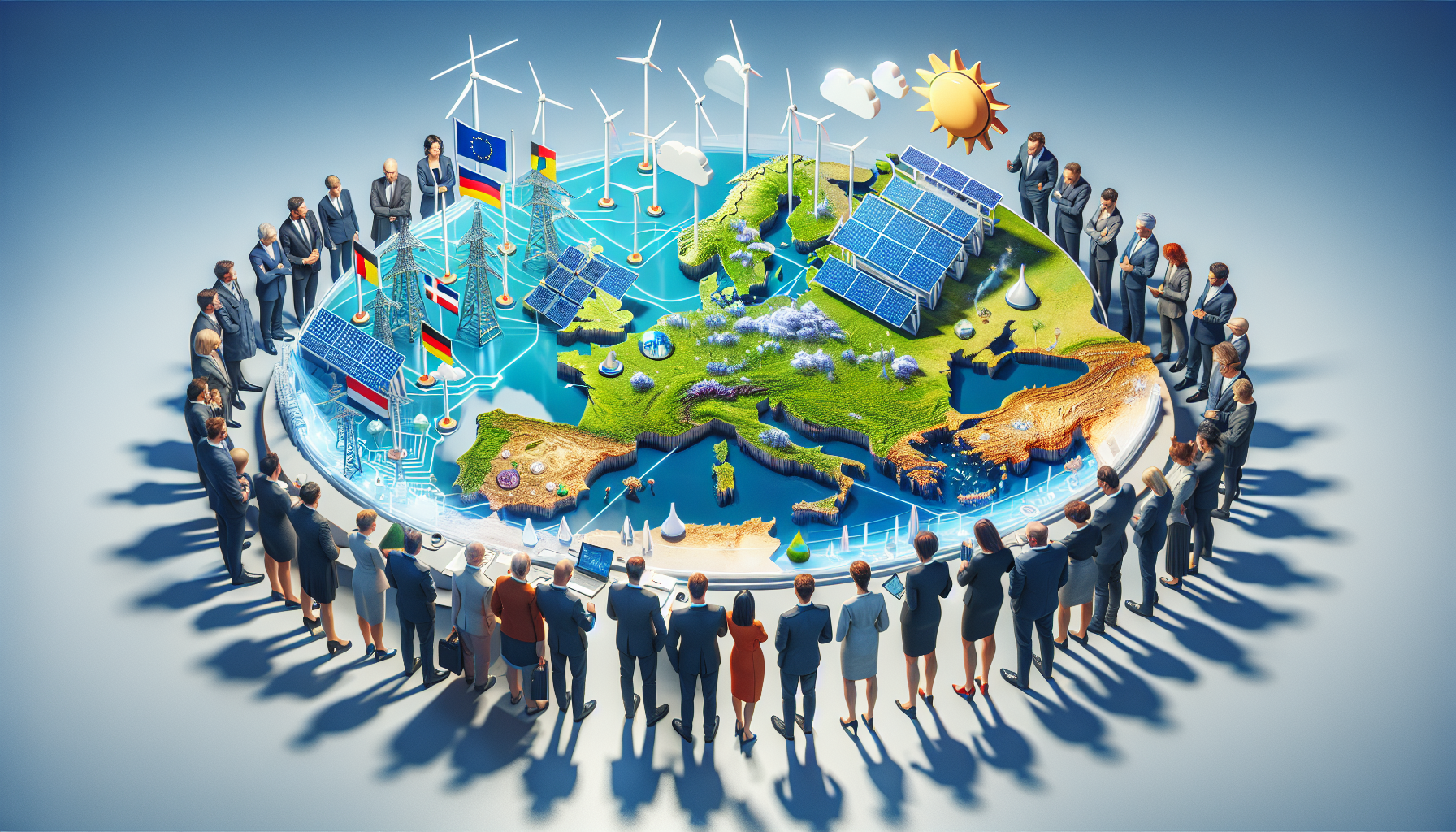
🌞 Increase in solar and wind power – To cut fossil fuel dependency, Europe invested heavily in solar and wind energy. Germany alone expanded its solar power capacity to over 40 GW in 2023. Meanwhile, Spain and the Netherlands ramped up wind energy installations.
⚡ RePowerEU Initiative – The EU introduced RePowerEU in 2022, aiming to generate 45% of its total energy from renewables by 2030. Financial incentives and faster approval processes for clean energy projects are driving this transition.
3. Ban on Russian Oil and Coal
🚫 Oil embargo and price cap – Since December 2022, the EU has banned Russian seaborne crude oil imports and imposed a price cap of $60 per barrel. As a result, Russia’s energy revenues dropped by approximately 50%, according to recent estimates.
⚒️ End of Russian coal imports – The EU fully phased out Russian coal, diversifying its supply sources. This shift has reshaped Europe’s electricity generation mix.
4. Short-Term Energy Alternatives
🔥 Coal plants temporarily reopened – Countries like Germany and Poland restarted coal-fired power plants to compensate for gas shortages. While this strategy helped stabilize energy supplies, it sparked concerns over rising carbon emissions.
⚛️ Nuclear power adjustments – France reaffirmed its commitment to nuclear power, extending reactor lifespans and funding new plants. Germany, despite its nuclear phase-out, delayed shutting down some reactors to secure electricity needs.
5. Energy Efficiency and Consumption Reduction
📉 National energy-saving measures – European countries launched campaigns to reduce energy consumption. For example, Germany limited heating in public buildings to 19°C (66°F) to lower gas use.
🏭 Industrial energy efficiency improvements – Governments incentivized industries to adopt energy-saving technologies, cutting overall power demand.
6. Energy Market Reforms and Price Stabilization
💶 Overhaul of electricity pricing – The EU is reworking its electricity market structure to decouple energy prices from volatile gas costs, aiming to protect consumers from price spikes.
🤝 Joint gas purchasing – To enhance bargaining power, EU nations introduced a collective gas-buying mechanism, securing better deals on global markets.
Key Outcomes and Future Challenges
📉 Sharp drop in Russian energy dependence – The EU successfully slashed Russian import reliance from 40% pre-war to below 10% in 2023.
💰 Persistent cost concerns – Despite reduced dependence on Russia, energy prices remain high. Future efforts will focus on boosting renewable energy capacity and improving energy efficiency to ensure long-term stability.
Europe has made remarkable progress in reshaping its energy landscape, but challenges remain. The continent must continue investing in renewable infrastructure and manage energy costs to maintain economic resilience. 🚀