
Sure! Based on the article and your request to format it in an engaging blog style similar to the “Swiftonomics” example, here’s an English-language blog post that mirrors both the structure and tone you're aiming for.
Why Big Pharma is Turning to China — And Why That Matters for the U.S. Market
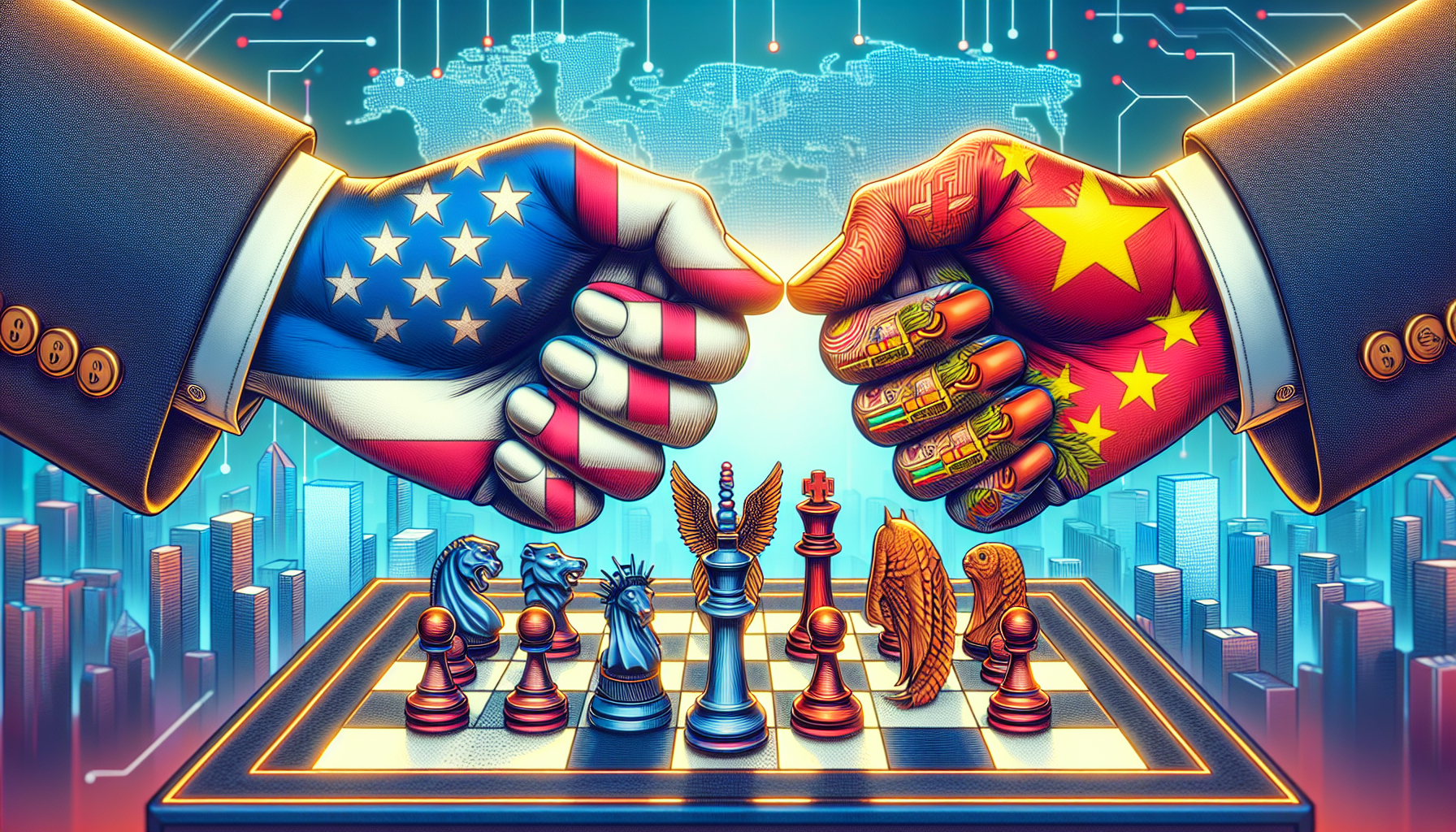
The U.S. pharmaceutical industry is undergoing a quiet revolution — and it's happening through China. In 2024, almost a third of all pharmaceutical licensing deals larger than $50 million involved Chinese companies. That’s up from 20% in 2023, and virtually zero just five years ago. So, what’s going on here? And what does it mean for investors?
Let’s break it down in numbers and trends you need to know.
1. 30% of Major Drug Licensing Deals in 2024 Involved China
According to DealForma data powered by CNBC:
- 📈 30% of Big Pharma acquisitions (over $50M upfront) in 2024 involved Chinese companies
- ⬆️ That's up from 20% in 2023 and near 0% in 2019
- 🔬 U.S. giants are tapping into Chinese biotech for faster and cheaper R&D
This isn’t just a blip — it’s a strategic pivot.
Big Pharma no longer limits their shopping trips to the U.S. biotech scene. Increasingly, American pharmaceutical giants are sourcing innovation through licensing deals with sophisticated Chinese companies. These firms aren’t just cheaper — they’re faster in getting drugs to clinical trials.
2. Why China Now?
✔️ Cheaper Drugs: Chinese companies can produce complex compounds at a lower cost
✔️ Faster Trials: China's regulatory environment allows quicker human testing
✔️ Licensing Model: U.S. buyers can avoid full acquisitions by licensing instead
✔️ Capital Pressure: With venture funding drying up, Chinese biotechs are more open to deals
Tim Opler, Managing Director at Stifel, summed it up best:
"It's a watershed moment. The pharma industry is starting to realize, ‘We don’t need to buy U.S. biotechs necessarily — we can buy excellent biotech assets through licensing deals with Chinese companies.’"
For U.S. pharmaceutical companies, the logic is clear: get faster, get cheaper, stay competitive.
3. Winner or Loser? What This Means for the U.S.
Here’s where things get complicated.
🔻 Some believe this could hurt U.S. biotech startups. Less funding and fewer deals could stifle innovation.
✅ Others see a net gain for the industry: more competition, faster drug pipelines, and lower costs for consumers.
⏳ It's still too early to say definitively who wins — but the power shift is already underway.
And let’s not forget the unknowns:
- 🇺🇸 🏭 Future tariffs on Chinese pharmaceutical exports?
- FDA hurdles in approving Chinese-developed drugs?
- Rising geopolitical risks?
These are not small questions.
4. Case Study: Amphastar Pharmaceuticals (AMPH)
Let’s take a closer look at one American pharma player making waves:
Amphastar Pharmaceuticals, Inc. (NASDAQ: AMPH)
📊 Q3 2024 Revenue: $191.2 million (up 6% YoY)
💊 Key products: Primatene Mist ($26.1M), Baqsimi ($40.4M), Albuterol MDI ($40.4M)
🌍 Market: U.S., China, France
💵 Cash Flow: $60 million
🔁 Share Buybacks: $35 million + $50 million planned
📉 Adjusted Net Income: $49.6 million (Down due to margin compression)
Despite margin pressures, AMPH managed to grow revenue and launch a targeted share buyback program — all while deepening its R&D relationship with China.
Currently, 23 hedge funds hold AMPH stocks, according to Insider Monkey.
5. Bigger Picture: What Should Investors Watch Next?
🔍 Consolidation: Will U.S. Big Pharma rely more heavily on Chinese R&D?
⚠️ Risk Management: Heightened attention needed to monitor geopolitical tensions, tariffs, and regulatory hold-ups
💡 Future Bets: Companies that can partner smartly (and legally) with China may gain an edge
This trend won’t reverse overnight — but it may evolve.
In the world of pharmaceuticals, time is money. And when Chinese firms can bring compounds to human trials quicker and cheaper, American pharma can’t afford to ignore them.
Final Thought: A Global R&D Game
The pharmaceutical landscape is no longer just about what happens in Boston, San Diego, or New Jersey.
It's now about what's also happening in Beijing, Suzhou, and Shanghai.
This shift isn’t about East vs. West. It’s about fast vs. slow. Innovative vs. expensive.
And smart investors (and smart pharmaceutical companies) will need to think globally to act wisely.
💬 What do you think — is this a boon or a threat for U.S. pharma and biotech? Would you invest more in global licensing models, or double down on domestic innovation?
👇 Drop your thoughts below. Let’s talk.
🔗 Sources: CNBC, DealForma, Insider Monkey, Amphastar Q3 2024 Earnings Report
📊 Data valid as of Q2–Q4 2024; subject to updates
Would you like a version of this post optimized for LinkedIn or Medium next? Or a short-form summary for social media? Let me know!